

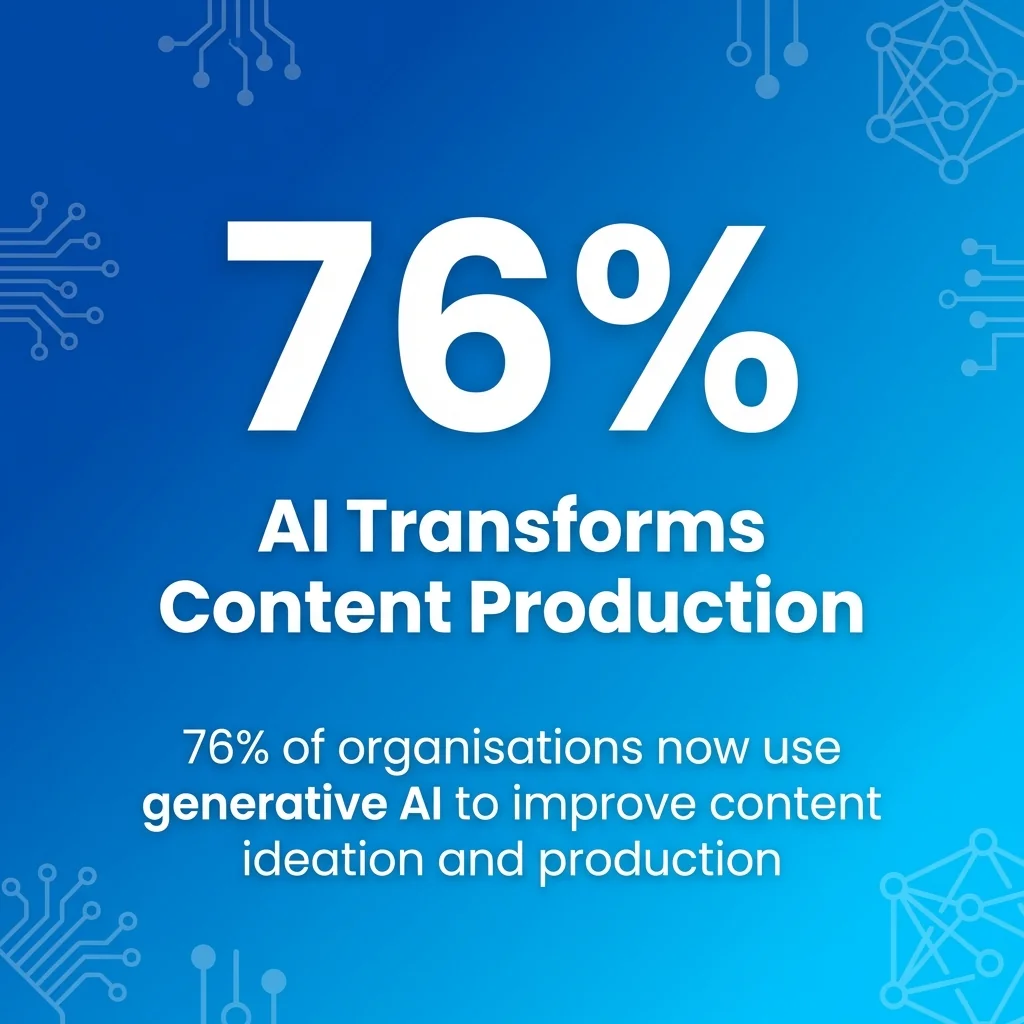
In the digital landscape of early 2026, the sheer volume of AI-generated noise has made content curation not just a marketing tactic, but a critical survival mechanism for brands and thought leaders. As generative AI lowers the barrier to content creation to near zero, the value of trusted, human-verified filtering has skyrocketed. For digital marketers and content strategists, the challenge is no longer finding content, but intelligently sifting through the deluge to find relevance and truth. This shift marks a fundamental transition from a 'creation-first' economy to a 'curation-first' ecosystem where authority is built on taste and reliability rather than just output volume.
The Rise of AI-Driven Discovery Engines
The most significant technical evolution in 2026 is the integration of advanced AI agents into the discovery phase of curation. Unlike the keyword-based RSS readers of the past, modern tools utilize semantic understanding and large language models (LLMs) to analyze the intent and quality of third-party content before it ever reaches a human dashboard. This technology allows marketers to set complex parameterssuch as tone, factual density, and domain authorityensuring that the content surfaced aligns perfectly with their brand voice. The 'Why' behind this trend is efficiency; manual scouring of the web is mathematically impossible given the current rate of information production.
For example, a B2B fintech company can now deploy an AI agent to monitor thousands of regulatory updates globally, filtering out generic news and flagging only those articles that contain specific legislative changes relevant to their client base. This transforms curation from a passive sharing activity into an active intelligence service, positioning the brand as an indispensable resource rather than just another noise-maker in the social feed.
Authenticity and the 'Human-in-the-Loop' Imperative
Paradoxically, as AI takes over the discovery process, the actual delivery and contextualization of curated content have become aggressively human-centric. Audiences in 2026 have developed a sophisticated 'synthetic radar,' easily detecting and ignoring automated, context-free link dumps. The trend now demands that every shared piece of content be wrapped in a layer of personal insight, critique, or validation. This 'human-in-the-loop' approach ensures that while machines handle the heavy lifting of search, a human expert provides the interpretative layer that builds trust.
In practice, this means that a successful curation strategy involves more than just reposting a link. It requires the curator to deconstruct the source material, highlighting key takeaways, challenging its premises, or connecting it to broader industry trends. For instance, instead of simply sharing a link to a new SEO algorithm update, a marketing leader might summarize the three most critical changes and offer a prediction on how it will impact e-commerce sites specifically. This added value is what separates high-performing newsletters and social feeds from the algorithmic sludge.
Strategic Pillars of Modern Curation
To visualize how the landscape has shifted, the following table outlines the core differences between traditional curation methods and the strategic requirements of 2026.
| Feature | Traditional Curation (Pre-2024) | Strategic Curation (2026) |
|---|---|---|
| Discovery Method | Manual RSS feeds & Keyword Alerts | AI Semantic Agents & Intent Matching |
| Value Proposition | Saving time by aggregating links | Providing context, validation, and insight |
| Distribution | Broad social media broadcasting | Niche newsletters & private communities |
| Metric of Success | Clicks and Traffic | Trust Score and Community Engagement |
Actionable Steps: Building a Curation Engine
Implementing a robust curation strategy requires a systematic approach to blending technology with human oversight. Follow these steps to modernize your workflow:
- Audit Your Sources: rigorous pruning is essential. Remove high-volume, low-value aggregators from your feed and prioritize primary sources, academic journals, and niche industry blogs.
- Configure AI Filters: Use tools that allow for semantic filtering. Set up parameters that exclude content with high 'fluff' scores or generic AI-generated structures.
- Draft the 'Bridge' Content: For every piece you intend to share, write a 50-word 'bridge' that explains why this matters to your specific audience. This is your value-add.
- Select Micro-Channels: Move away from posting curated links solely on public feeds. Focus on high-trust channels like email newsletters, Slack communities, or dedicated Discord servers where engagement is deeper.
My Take: The Curator as the New Creator
Looking ahead, I believe the distinction between 'creator' and 'curator' will continue to blur until it vanishes. In an era of infinite content, the act of selecting what not to consume is a creative act in itself. Brands that master thisbecoming the filter rather than the hosewill command the highest loyalty. The winners in 2026 won't be those who shout the loudest, but those who whisper the right information to the right people at the right time. If you aren't using AI to widen your net and your own humanity to tighten the mesh, you are already falling behind.
Frequently Asked Questions
How does AI impact content curation quality?
AI significantly improves quality by filtering out irrelevant noise and identifying high-value content based on semantic meaning rather than just keywords, allowing curators to focus on adding context.
Is manual curation dead in 2026?
Manual discovery is dying, but manual contextualization is more alive than ever. The human element is now reserved for adding insight and trust, rather than searching for links.
What is the biggest mistake in content curation today?
The biggest error is 'blind sharing'posting links without adding personal analysis or explaining why the content matters to the audience, which fails to build authority.
