Long-Awaited Arrival
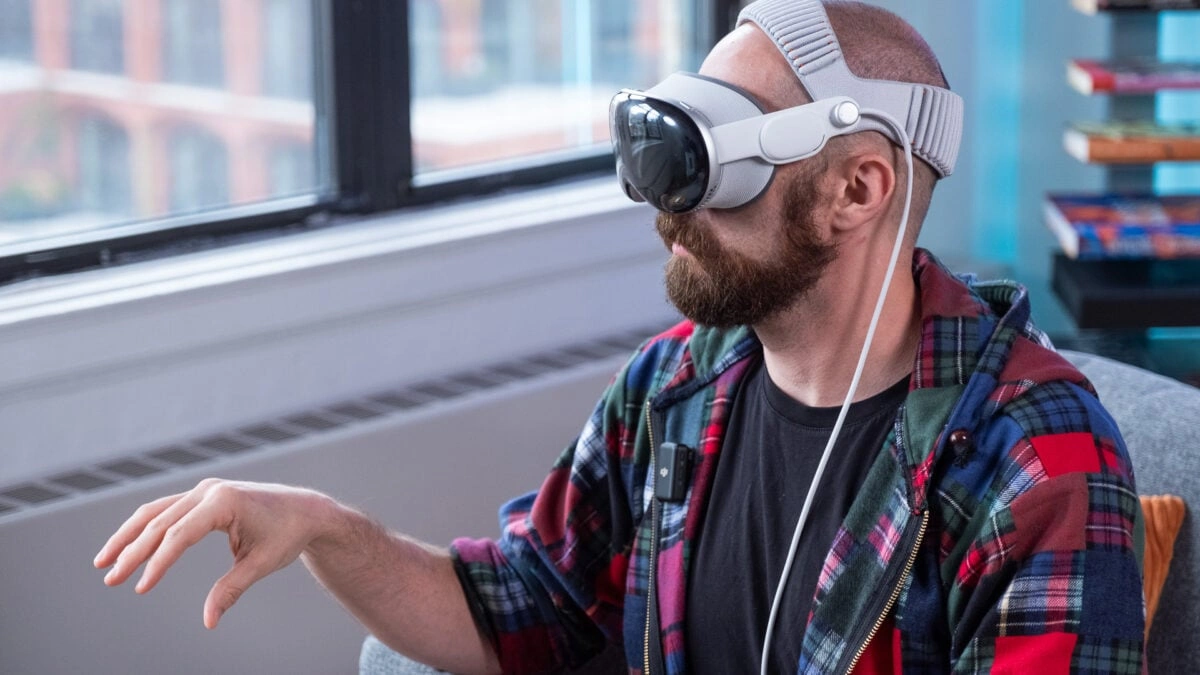
The Apple Vision Pro, Apple's high-end spatial computer released in February 2024, launched without one key app: YouTube. Google had indicated a native app was on its roadmap, but users relied on Safari or third-party alternatives in the interim.
Today, that changes. YouTube has released an official app for visionOS, available now in the App Store. It supports Vision Pro models with M2 and M5 chips, delivering a full signed-in experience.
Key Features and Immersive Capabilities
The app unlocks standard YouTube functions like subscriptions, playlists, watch history, and Shorts. It elevates viewing with support for 3D, 360-degree, and VR180 videos, turning every clip into a spatial experience within visionOS environments.
- Watch videos on a theater-sized screen in immersive settings.
- Full 360-degree immersion places users at the center of the action.
- 8K resolution on M5-equipped Vision Pro for sharper detail.
- Floating comment and description panels appear above videos.
Previously, third-party apps like Juno filled the gap but were removed after Google cited violations of its terms. VisionPlay for YT remains as a subscription-based alternative with custom controls and fullscreen playlists, but the official app ends the wait for seamless access.
Why This Matters
YouTube's absence highlighted a gap in Vision Pro's entertainment ecosystem, forcing reliance on web browsing that lacked native optimizations. This app bridges that divide, making the $3,500 headset more viable for everyday media consumption. For creators and viewers, it means broader reach into spatial computing, where videos feel lifelike and engaging.
Consider a user unwinding after work: donning the Vision Pro, they launch YouTube and dive into a 360-degree travel vlog. The video envelops them in a virtual mountain trail, with comments floating nearbyfar more captivating than a flat screen. This human touch transforms passive watching into active exploration.
Background and Context
At Vision Pro's debut, Google suggested using Safari, but spatial video demands native integration for pinch gestures and eye-tracking controls. Third-party efforts proliferated, only to face takedowns, underscoring tensions between platforms.
The delaynearly two yearscoincides with Vision Pro's maturing library. Recent M5 models enhance performance, enabling high-res features like 8K playback. Google positions this as 'YouTube like never before,' emphasizing extended reality for all content.
Forward-Looking Implications
This launch signals growing developer commitment to visionOS, potentially accelerating app adoption. As Apple refines spatial computing, expect more services like Netflix or Prime Video to follow suit, boosting the platform's appeal beyond professionals in design or training.
For users, it lowers barriers to immersion, encouraging longer sessions and content creation tailored for XR. If sales pick up, Vision Pro could redefine home entertainment, blending AR with traditional streaming. Analysts note this timing aligns with visionOS updates, hinting at broader ecosystem growth.
Apple Vision Pro owners should update their App Store and search for YouTube immediately. The free app promises to make the device feel complete at last.
This article was written by AI from reporting by gizmodo.com.