The original PlayStation defined an era of 3D gaming, but let us be honest - many early titles suffer from clunky camera controls and stiff movement that make them frustrating to revisit today. However, the best PS1 platformers managed to nail their physics and level design so perfectly that they still outshine modern releases. If you are looking to dust off your retro hardware or fire up an emulator, these five classics remain absolute must-plays in 2026.
- 5. Klonoa: Door to Phantomile: This 2.5D gem focuses on simple, polished mechanics rather than sprawling 3D ambition. Its unique ability to grab and throw enemies into the foreground or background adds clever puzzle elements. While original copies are notoriously expensive, its timeless cutesy art style makes it worth experiencing, even if you opt for the 2022 Klonoa Phantasy Reverie Series remaster.
- 4. Oddworld: Abe's Exoddus: Taking the breathtaking, moody atmosphere of Abe's Odyssee and expanding it, this sequel introduces a much-needed quicksave function that makes its tough, puzzle-oriented gameplay highly accessible today. It reinvented the platforming wheel, and the PS1 original remains the definitive way to play over modern remakes like Oddworld: Soulstorm.
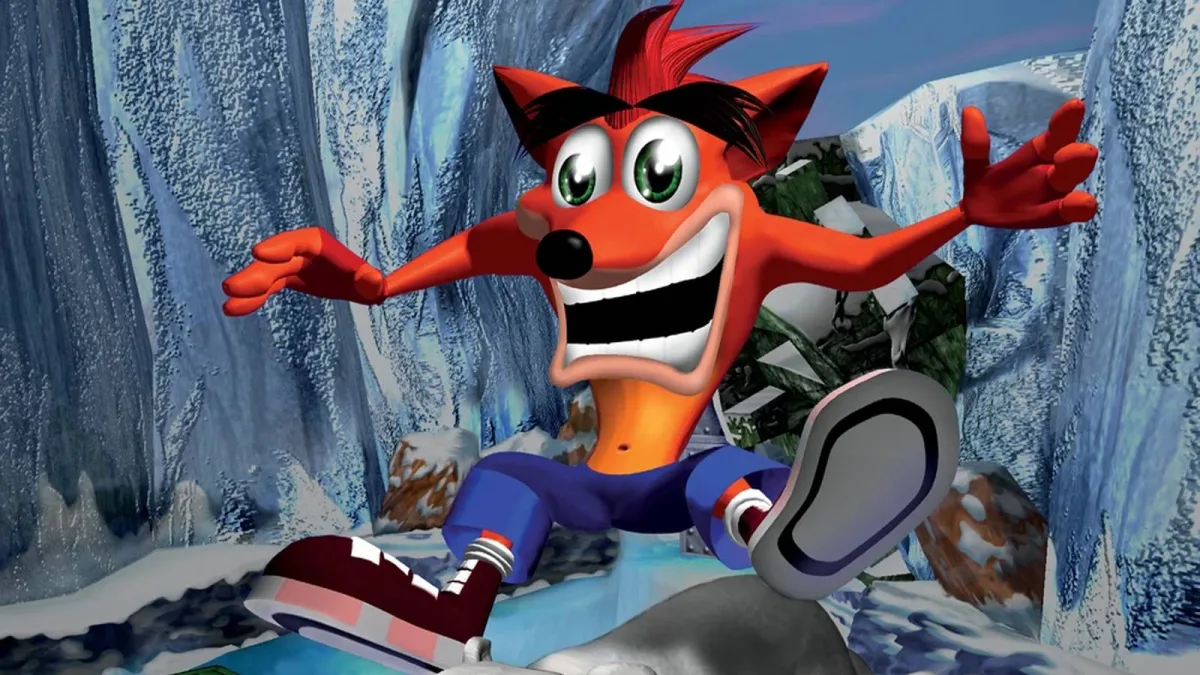
- 3. Crash Bandicoot 2: Cortex Strikes Back: Precision is everything in this momentum-focused classic. While the Crash Bandicoot N. Sane Trilogy exists, the original PS1 physics offer a tighter, more mechanical 2D-style feel in a vibrant 3D space. The second installment perfectly refines the original's strengths without the inconsistent variety found in Warped.
- 2. Ape Escape: Making history as the first game to require a DualShock controller, this title pioneered the use of the right analog stick for gadget control. Beyond its innovative mechanics for catching primates, the original game features a unique, slightly moody atmosphere that its more cartoonish sequels left behind.
- 1. Spyro: Year of the Dragon: Pushing the scope of PS1 platformers to rival Super Mario 64, this third entry balances massive collectible-filled levels with a large roster of playable characters. The responsive controls and evocative, low-poly graphics offer a sense of mystery that the candy-colored Spyro Reignited Trilogy simply cannot replicate.
The Enduring Magic of Low-Poly Physics
It is fascinating that the original PlayStation, which launched at a hefty $299.99 in 1995, still holds the definitive versions of these games despite massive graphical remakes. The secret lies in the mechanical purity of the era. Developers working within the strict hardware limitations of the PS1 had to prioritize tight hitboxes, momentum-based physics, and responsive inputs over visual flair. When modern studios rebuild these games from the ground up - like the N. Sane Trilogy - they often use unified physics engines that subtly alter the weight and gravity of the characters, breaking the muscle memory that made the originals so satisfying.
Furthermore, the aesthetic constraints of the 90s forced a specific type of environmental storytelling. The low-poly models and limited draw distances in games like Spyro and Oddworld required players to fill in the blanks with their imagination. This created a moody, atmospheric tension that gets lost in the brightly lit, hyper-detailed remasters of today. For purists and new players alike, preserving and playing these original builds is not just about nostalgia; it is about experiencing a masterclass in foundational game design that modern engines struggle to emulate.