The Nintendo GameCube may not be the first console that comes to mind for competitive fighting games, but its library hides some of the most enduring titles in the genre. Whether you are dusting off original hardware or exploring the Nintendo Classics service on the Switch 2, a handful of these retro brawlers still deliver incredibly tight mechanics today.
While developers at the time were experimenting heavily with early 3D technology, the system hosted a mix of traditional 2D crossovers, weapon-based combat, and platform fighters that defined a generation. Here are the five standout GameCube fighting games that remain absolute must-plays:
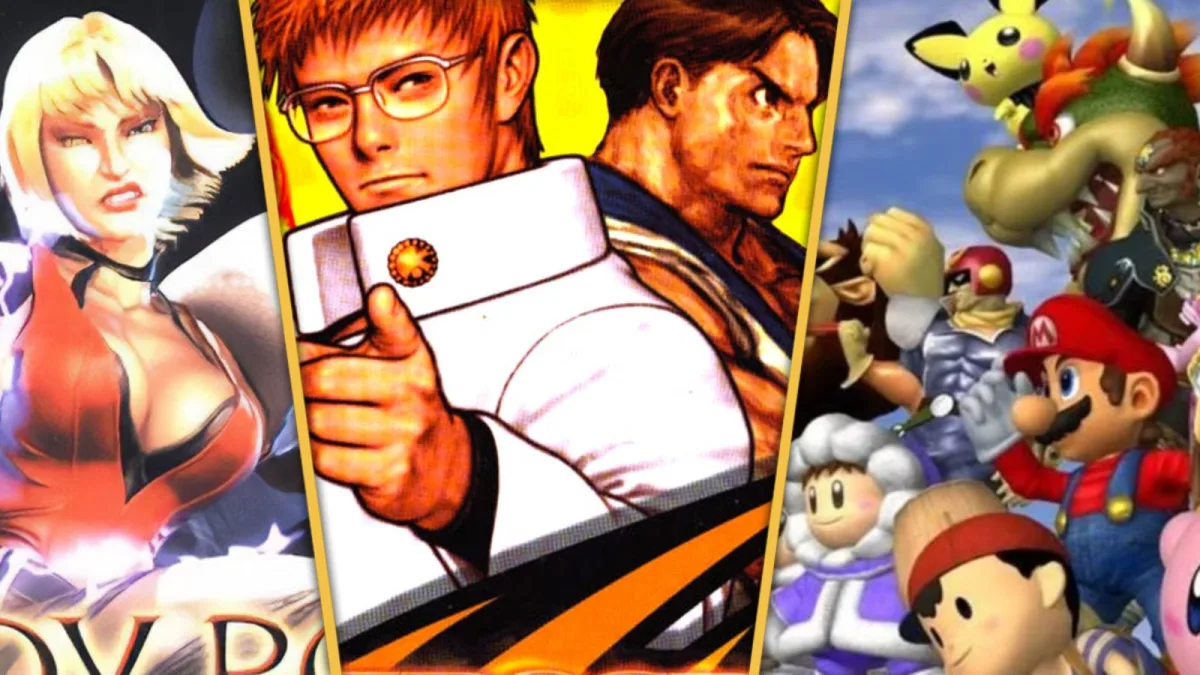
- 5. Bloody Roar: Primal Fury: This unique 3D fighter revolves around "zoanthropes," allowing characters to transform into powerful animals mid-combat using the Beast Gauge system. Despite a steep learning curve exacerbated by the GameCube's unconventional controller, the mechanic keeps matches dynamic - especially when you can fight as a giant penguin.
- 4. Mortal Kombat: Deadly Alliance: While its sequel Deception suffered on Nintendo's hardware, Deadly Alliance stands toe-to-toe with its PlayStation 2 and Xbox counterparts. It features a superior character roster, including Bo Rai Cho, Frost, and Li Mei, making it a crucial piece of 3D fighting history.
- 3. Soulcalibur 2: Bandai Namco pulled off a masterstroke by including Link as an exclusive guest character for the GameCube version. Beyond the Nintendo crossover appeal, it remains one of the most visually polished weapon fighters of its era and is easily accessible today via the Nintendo Classics service on the Nintendo Switch 2.
- 2. Capcom vs. SNK 2 EO: In an era dominated by the push for 3D, this crossover masterpiece gave traditional 2D fighting fans exactly what they wanted. The "EO" edition added simpler control schemes to accommodate the GameCube pad and introduced Evil Ryu as a bonus character, cementing its status as a vital release for the fighting game community.
- 1. Super Smash Bros. Melee: Launched in 2001, this platform fighter transcends the console itself. Melee boasts an astonishingly deep mechanical ceiling that has sustained a dedicated, top-tier esports scene for over two decades. It is easy for newcomers to pick up, yet offers a level of competitive depth that rivals legendary titles like StarCraft.
The Enduring Legacy of Melee's Mechanics
The staying power of these GameCube titles - particularly Super Smash Bros. Melee - highlights a fascinating divergence in fighting game design. Modern fighters often rely on constant game patches, seasonal DLC, and online matchmaking to maintain player engagement. In contrast, Melee has survived for over 20 years purely on the strength of its foundational physics and unintended mechanical quirks, proving that a high skill ceiling and responsive controls can outlive any live-service roadmap.
Furthermore, the inclusion of Soulcalibur 2 on the Nintendo Switch 2's classic service signals a growing recognition from publishers that the early 2000s 3D fighting era is ripe for preservation. As the competitive scene continues to embrace retro tournaments, we are likely to see more of these sixth-generation brawlers repackaged for modern audiences. The GameCube's quirky controller may have been a hurdle at the time, but it inadvertently forced developers to innovate with control schemes, leaving us with a highly distinct library of fighters that still feel entirely unique today.