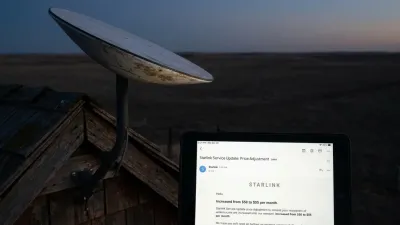
Rural internet users facing Starlink's steep $300 upfront equipment fee and monthly plans ranging from $55 to $130 now have viable, lower-cost connectivity options. While Starlink successfully bridged the gap for remote areas lacking fiber infrastructure, its pricing structure - which includes a 100 Mbps plan at $55, a 200 Mbps tier at $85, and a Residential Max package at $130 - remains a significant barrier for many households. A mix of 5G fixed wireless, regional fiber, and competing satellite providers are aggressively undercutting these costs.
For consumers who need reliable daily connectivity without the massive initial hardware investment, terrestrial and alternative satellite networks offer compelling compromises. These services prioritize lower monthly rates and broader accessibility, though availability heavily depends on exact geographic locations and line-of-sight to local cell towers.
5 Affordable Starlink Alternatives for Rural Connectivity
- T-Mobile 5G Home Internet: Bypassing satellites entirely, this service uses the carrier's mobile network to deliver fixed internet. Plans start at $50 per month with AutoPay, dropping to $35 for customers with an eligible voice line. It offers unlimited data with download speeds ranging from 170 to 354 Mbps, depending on local network congestion.
- Rise Internet: Operating as a fixed-wireless specialist, Rise installs a home antenna that connects to a nearby tower. Available in 16 states - primarily across the Midwest, Rocky Mountains, and Southwest - plans start at around $30 per month. Despite requiring a clear line of sight, the service achieved a median download speed of 42.6 Mbps in recent testing.
- Viasat: A direct satellite competitor to Starlink, Viasat covers nearly the entire United States, including the most isolated properties. The Essentials plan starts at a promotional rate of $39.99 per month before increasing to $69.99, providing 150 GB of high-speed data. While latency is higher than Starlink, it remains a viable option where terrestrial networks fail.
- Verizon 5G Home Internet: Utilizing Verizon's 5G Ultra Wideband network, this service costs $60 per month, or $35 for existing mobile customers with AutoPay. It includes a router, unlimited data, and speeds up to 100 Mbps with no annual contract, eliminating the need for complex outdoor installations.
- Kinetic by Windstream: Expanding fiber and DSL infrastructure across 18 states, including Texas, Florida, and the Carolinas, Kinetic offers traditional wired stability. Fiber plans delivering 100 Mbps start at $24.99 per month with AutoPay, while DSL options cost $45 during the first year, offering significantly lower latency for online gaming compared to satellite connections.
The 5G Threat to Satellite Dominance
The rapid expansion of 5G fixed wireless access (FWA) represents the most significant existential threat to Starlink's rural monopoly. By leveraging existing cellular infrastructure, carriers like T-Mobile and Verizon have completely eliminated the $300 hardware barrier that defines the satellite internet market. This shift transforms rural connectivity from a major capital investment into a simple, plug-and-play subscription model.
While Starlink retains a definitive edge in absolute remote coverage and peak speeds, the reality is that 100 Mbps to 300 Mbps is more than sufficient for the average household's streaming and browsing needs. As terrestrial networks continue to push deeper into the Midwest and Southwest, Starlink may soon be forced to subsidize its expensive receiver dishes or lower its $130 premium tiers to prevent rural customers from migrating to $35-a-month 5G alternatives.