

Table of Contents
From Portable Display to Full AR Powerhouse
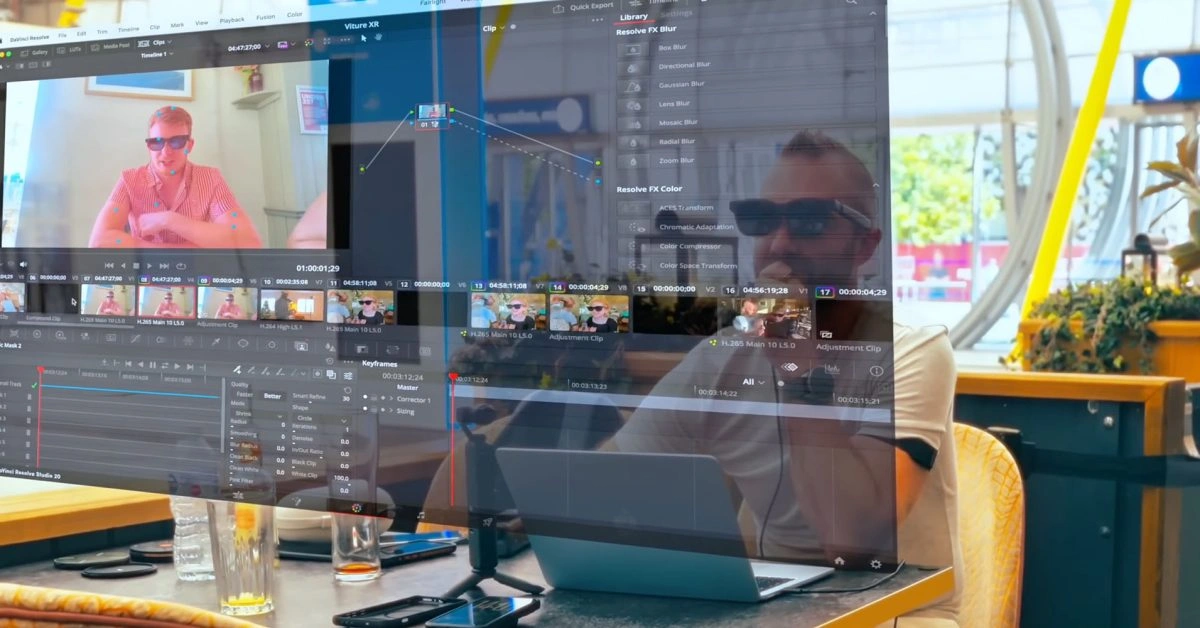
Viture's Luma Ultra XR/AR glasses started as a simple face-mounted monitor for video streaming and gaming on the go. Now, they pack advanced features like a front-facing RGB camera and dual grayscale depth cameras, enabling full spatial computing, 6DoF tracking, and hand gesture controls through the SpaceWalker app. This evolution positions the Luma Ultra as a lightweight contender in the XR space, offering capabilities that mirror what many expect from a hypothetical Apple Vision Aira more affordable, everyday version of the Vision Pro.
Display and Immersion Specs That Impress
At the core is a private 152-inch virtual screen with a 52° field of view (FOV), delivering 4K-like 1200p resolution per eye (1920x1200) at 120Hz refresh rate and peak brightness of 1500 nits. Powered by Sony micro-OLED displays, it provides 50% sharper visuals than Viture's previous Pro model. Users get richer HARMAN audio and myopia adjustments up to -4.0D, plus electrochromic dimming lenses for adjustable light blocking and dynamic lighting effects in a premium matte translucent frame.
- Virtual screen: 152 inches, 52° FOV, 1200p equivalent
- Refresh rate: 120Hz for smooth motion in games and videos
- Brightness: 1500 nits, ideal for varied lighting
- Tracking: 6DoF with hand gestures and microphone for calls
Versatile Connectivity and Battery Life
Designed as phone-powered AR glasses released in 2025, the Luma Ultra connects to USB-C devices like iPhones, Steam Deck, or ROG Ally for instant big-screen experiences. A portable Neckband accessory adds a 13,000mAh battery, extending sessions up to 20 hours depending on the device. It supports HDMI via docks for consoles and includes bundles with controllers like the VITURE x 8BitDo for gaming. This makes it perfect for travel, work, or immersive entertainment without bulk.
How It Stacks Up to Apple Vision Pro
Apple's Vision Pro set the bar for high-end XR with eye/hand tracking and spatial computing, but its $3,500 price limits mass appeal. The Luma Ultra, starting around $800 in bundles, offers similar immersion in a glasses form factor weighing far less. It lacks Vision Pro's standalone processing but leverages your phone for AR overlays, spatial video, and multi-screen productivity. Reviewers praise its neon-bright display for Cyberpunk-style gaming and note the 120Hz smoothness rivals premium headsets. If Apple launches a Vision Airrumored as lighter and sub-$2,000the Luma Ultra already delivers most desired traits: portability, AR smarts, and value.
Industry Context and Future Impact
The XR market is heating up with phone-powered glasses from Xreal, Rokid, and now Viture's flagship. Luma Ultra's AR additions like depth sensing push boundaries for enterprise use, such as remote collaboration or training. With 200+ store experiences and $100M in funding, Viture leads affordable XR innovation. For Apple fans, it's a bridge productproving lightweight AR glasses can handle daily tasks until a native visionOS device arrives. Drawbacks include phone dependency and app ecosystem limits, but ongoing SpaceWalker updates promise more.
Key Pros and Cons
- Pros: Ultra-bright display, full AR features, long battery options, myopia support
- Cons: Relies on connected devices, emerging app support
As XR evolves, devices like Luma Ultra democratize spatial computing, making Apple's potential Vision Air less revolutionary and more expected.