The AI-driven global RAM crisis is officially threatening the launch strategy for Microsoft's next-generation console. Xbox boss Asha Sharma has confirmed that ongoing memory shortages will directly impact the pricing and availability of the highly anticipated Project Helix. With current predictions estimating that the memory drought will persist until late 2027 or early 2028, gamers preparing for the next console generation may face significant hardware delays and steeper price tags.
During a recent interview with Stephen Totilo's Game File, Sharma addressed the timeline for the next-generation machine. She explicitly noted that memory costs will dictate both how much the console costs and how many units make it to store shelves. "As we think about being where the world plays, we will take that into consideration," Sharma stated, adding that the company is not ready to share a definitive launch timeline because the market remains highly dynamic.
An Industry-Wide Hardware Bottleneck
Xbox is not the only major player feeling the squeeze of the AI-fueled component shortage. The aggressive demand for memory in artificial intelligence data centers has created a ripple effect across the entire gaming hardware industry.
Valve has already been forced to adjust the release windows for its upcoming Steam Machine and Steam Frame hardware. Similarly, recent industry reports indicate that Sony is actively revising its own next-generation PlayStation plans to account for the constrained supply chain.
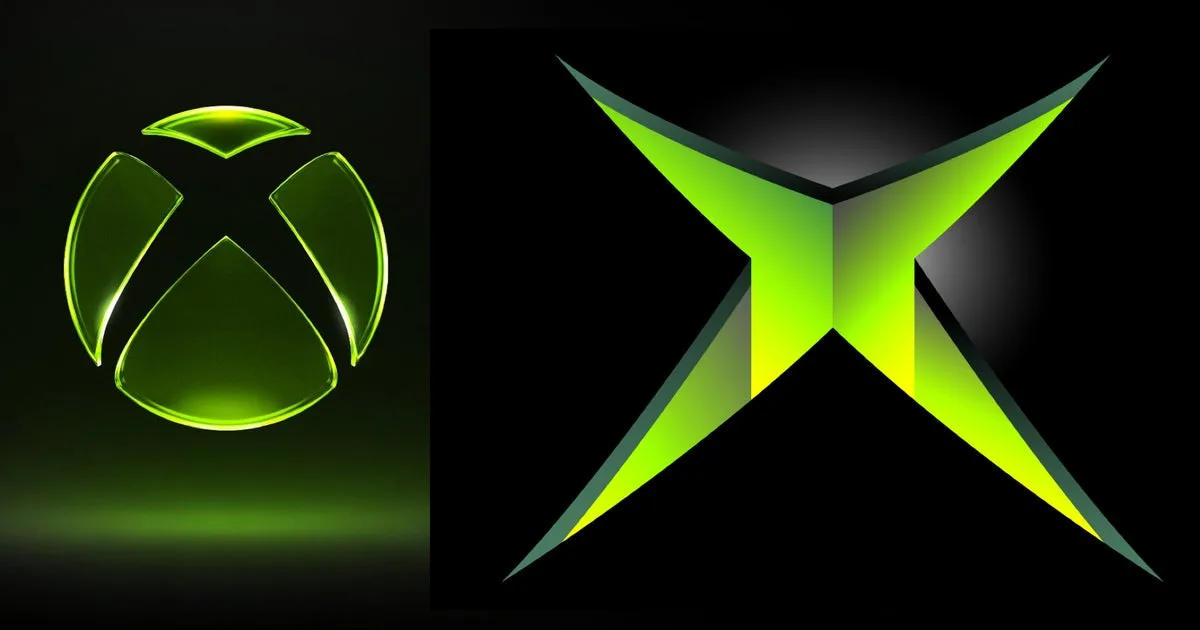
For now, Sharma is focusing on elements within Microsoft's immediate control. Her recent tenure has already seen rapid shifts in strategy, including a brand-new Xbox logo and a strategic price cut for the Xbox Game Pass subscription service. These moves suggest a pivot toward strengthening the current ecosystem while the hardware market stabilizes.
The Shift Toward Service Retention
If the RAM crisis pushes the true next-generation console launches into 2028, Microsoft's recent software and service adjustments make perfect strategic sense. By cutting the price of Game Pass now, Xbox is actively building a massive, loyal subscriber base that isn't entirely dependent on upgrading to Project Helix immediately. This service-first approach provides a crucial buffer against hardware shortages, ensuring that even if the next-gen console launches with a premium price tag and limited stock, the core Xbox ecosystem remains highly profitable and accessible across existing devices and cloud platforms.