Sony's recent announcement to cease printing physical PlayStation games by 2028 has ignited a massive industry debate about the future of video game preservation. While collectors mourn the loss of discs - a stark contrast to PlayStation's famous How To Lend Games To Your Friends marketing campaign - the Video Game History Foundation (VGHF) is pointing to a much larger crisis. The organization is now calling on the Entertainment Software Association (ESA) to facilitate legal preservation methods for digital-only content.
Frank Cifaldi, Director of the VGHF, acknowledged that the death of physical media is a severe blow to consumer rights and the resale market. However, he noted that from a professional archiving perspective, the impact is less dramatic than it seems. The reality is that the vast majority of titles produced over the past two decades were never pressed to physical media in the first place.
Everyone agrees this is a serious problem, but the ESA has repeatedly opposed the efforts of cultural heritage institutions to reform digital copy protection laws to make it easier to do this work.
- Frank Cifaldi, Director, Video Game History Foundation
The urgency of the situation is compounded by Sony's confirmation that the digital storefronts for the PS3 and PS Vita are closing permanently. While Sony claims previously purchased games will remain available for download for the foreseeable future, preservationists argue that relying on corporate goodwill is not a sustainable archiving strategy.
The Day-One Patch Dilemma
Even when games do receive a physical release, the disc rarely contains the definitive version of the software. A day-one game patch is now an industry standard, meaning the code pressed onto a Blu-ray often does not represent the game that consumers actually played. This creates a massive blind spot for historians trying to document the medium.
Furthermore, the rise of early access models means multiple iterations of a single game hold historical value. Cifaldi highlighted how the ending of Hades 2 was altered following its 1.0 release. Because thousands of players experienced that specific pre-release narrative, preservationists argue that early builds deserve the same archival protection as the final retail product.
The Piracy Paradox
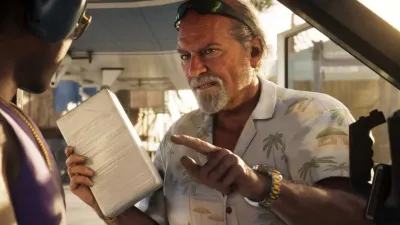
The current legal framework places museums and archives in an impossible position. "The industry needs to meaningfully come to the table on this issue," Cifaldi warned, noting that simply downloading a copy of Grand Theft Auto VI and hoping it boots up in 50 years is not a viable preservation solution.
The ESA's aggressive lobbying against copyright exemptions for cultural institutions has created a dark irony: software piracy is currently the most reliable method for preserving video game history. By refusing to provide legal avenues for museums to bypass digital rights management (DRM) on abandoned digital storefronts, the industry is essentially forcing historians to rely on the very unauthorized distribution networks the ESA spends millions trying to shut down. If publishers do not establish a standardized archival protocol soon, an entire generation of digital-only and heavily patched games will simply vanish when the servers inevitably go dark.
This article was written by AI from reporting by rockpapershotgun.com.