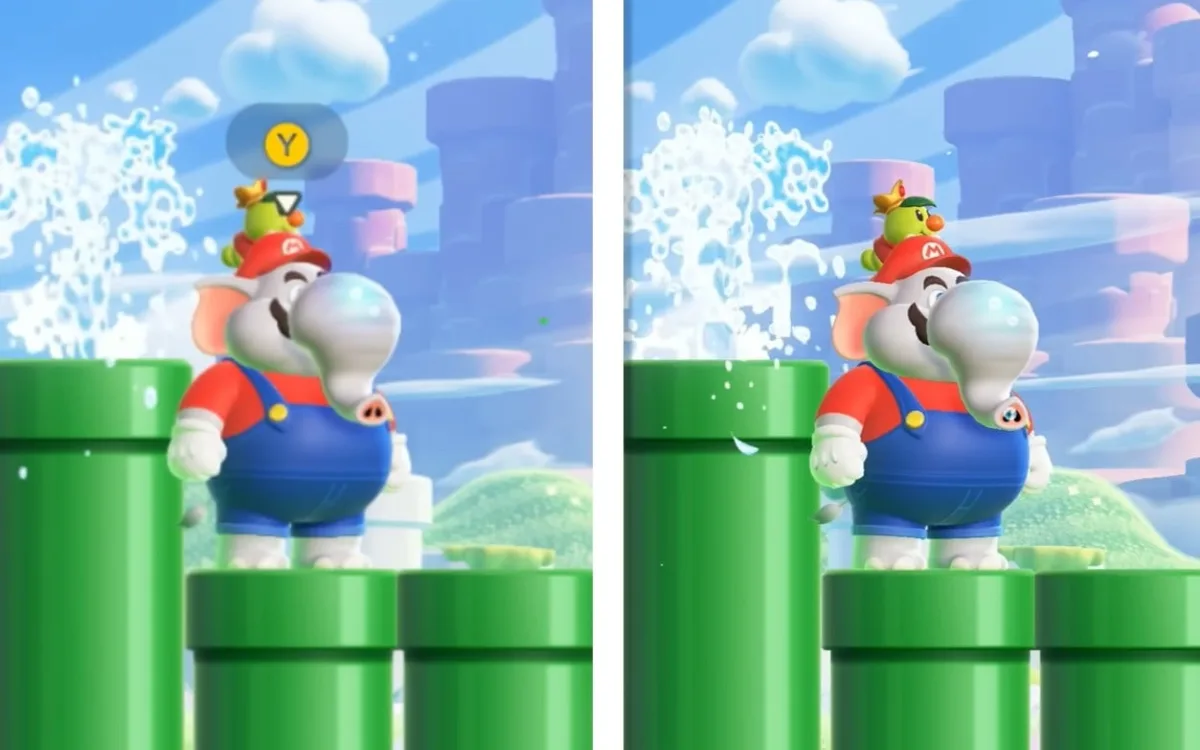
Players upgrading to the newly released Super Mario Bros. Wonder - Nintendo Switch 2 Edition + Meetup In Bellabel Park can expect a significant visual leap, including native 4K resolution in docked mode. A new side-by-side graphics comparison highlights exactly what the next-generation hardware brings to Nintendo's acclaimed platformer.
The technical breakdown, published by the YouTube channel ElAnalistaDeBits, showcases the exact frame rate and resolution differences between the original Nintendo Switch and the new Switch 2 Edition. While the original hardware outputted the game at 1080p when docked, the Switch 2 pushes the visuals to a crisp, native 4K resolution. Handheld players are not left out, as the portable mode also receives a noticeable resolution bump.
Despite the massive increase in pixel count, performance remains incredibly stable across the board. The Switch 2 maintains a rock-solid 60fps in both docked and handheld modes, ensuring the platforming action remains perfectly fluid. For existing owners, the transition to the new hardware comes with a specific pricing structure rather than a free patch.
What's Included in the Switch 2 Edition
- Visual Upgrades: A jump from 1080p to native 4K resolution in docked mode, alongside handheld resolution improvements.
- Stable Performance: A locked 60fps frame rate across all playing modes.
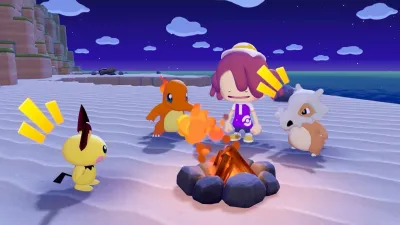
- New Content: The addition of the Meetup In Bellabel Park expansion, which includes newly added Pikmin features.
- Upgrade Pricing: Existing owners can purchase the paid upgrade for $19.99 / £16.99, while newcomers can buy the complete package for $79.99 / £66.99.
My Take
Nintendo's decision to charge a $19.99 upgrade fee for next-generation visual patches bundled with the Meetup In Bellabel Park DLC sets a clear precedent for how the company might handle the cross-generation transition. Instead of offering free performance patches like some competitors, Nintendo is tying hardware optimization directly to new, premium content drops. This strategy ensures that early adopters of the Switch 2 have immediate, high-quality software to play, while also generating additional revenue from existing massive install bases.
From a technical standpoint, the jump to native 4K at 60fps proves that the Switch 2's hardware capabilities are a massive step up from the 2017 original. It aligns Nintendo more closely with modern display standards without sacrificing their signature smooth gameplay. If this is the baseline for enhanced Switch 1 titles, the visual future of Nintendo's first-party lineup looks incredibly promising.
This article was written by AI from reporting by nintendolife.com.