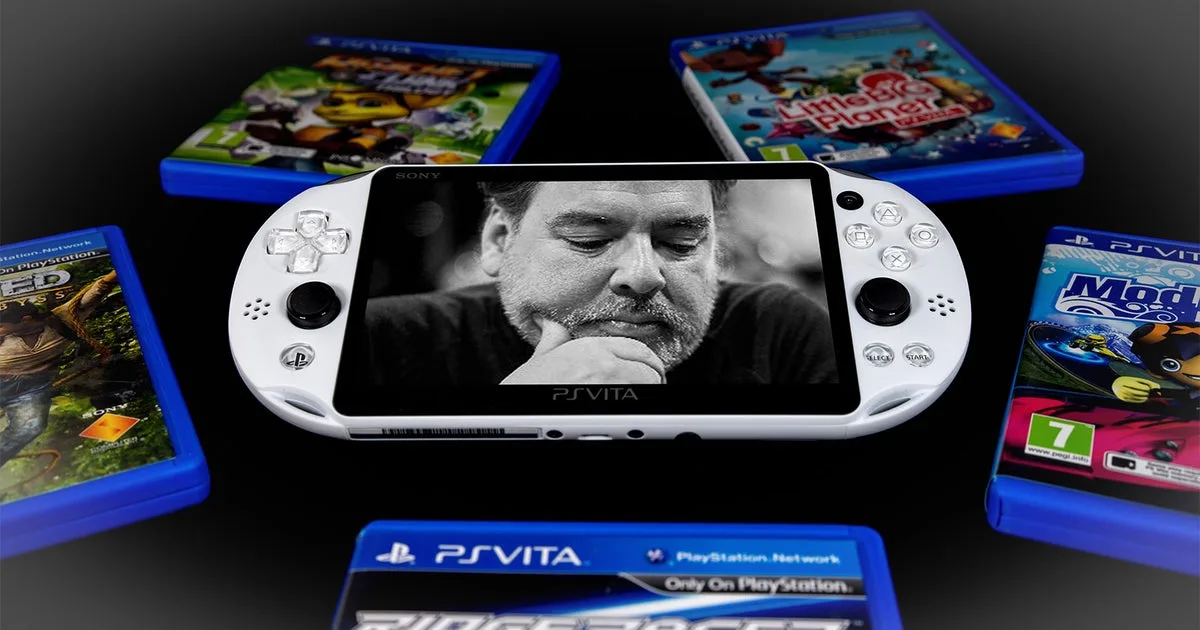
Sony's PlayStation Vita was a technological marvel that ultimately alienated its own audience by offering too much, too soon. As Sony prepares to permanently close the digital storefronts for both the PS Vita and PlayStation 3, former PlayStation executive Shawn Layden has revealed that the company's obsession with unnecessary hardware features doomed the handheld from the start. Instead of reinventing the wheel with expensive OLED screens and proprietary memory cards, Layden argues that Sony should have simply released a PlayStation Portable 2.
In a recent interview, Layden explained that the original PSP, which sold over 76.4 million units by 2012, already had a winning formula. The only major flaw was its single analogue stick, which made navigating 3D spaces cumbersome. "The big complaint we had about the original PSP was it only had one analogue stick on it, and that became a drag after a while," Layden explained. He noted that players had grown accustomed to dual-stick navigation since the original PlayStation 1, making the PSP's control scheme feel restrictive.
Rather than addressing this single pain point, Sony packed the PS Vita with costly innovations like a rear touchpad and bespoke cartridge-like memory cards. This forced players to abandon their existing universal media discs (UMDs) and purchase expensive new storage. Layden pointed out that the OLED screen was an "unnecessary expense" that drove up the final retail price, which launched at £230 and £280 in 2011. You can Watch on YouTube how early reviews questioned the device's value proposition.
I think we put too much on it which made the cost of producing it higher so the cost associated with selling it had different impacts around that.
- Shawn Layden, Former PlayStation Leader
This hardware bloat directly impacted sales, with the PS Vita moving an estimated 10 to 15 million units before production wound down in 2019 - a massive drop from the PSP, which saw shipments continue until 2014. Layden compared this phenomenon to software development, citing the Gran Turismo series. He noted that the franchise jumped from 65 cars in the first game to 290 in the second, and eventually to 4000 cars, inflating licensing and development costs far beyond what the average player actually utilizes.
Layden contrasted Sony's approach with a legendary philosophy from Nintendo's Shigeru Miyamoto. According to Layden, Miyamoto would evaluate features based on their yen value, stopping development once a game reached 5900 yen to ensure the cost matched the consumer value. When hardware or software outstrips this "value proposition," it results in diminishing returns. You can Watch on YouTube how the Vita's excessive features overwhelmed its core gaming purpose.
How to Prepare for the PS3 and PS Vita Store Closures
With Sony officially announcing the closure of the online PlayStation Vita and PlayStation 3 stores, users must take immediate steps to secure their legacy libraries before these digital ecosystems disappear.
- Download existing purchases: Ensure all previously bought digital games are downloaded to your console's local storage before the servers go offline.
- Secure physical copies: Transition to the second-hand market to purchase disc-based or cartridge-based games, as physical media will soon be the only legal access point.
- Back up save data: Utilize cloud saves if you have an active subscription, or transfer your save files to a physical memory card or USB drive.
The Dangerous Precedent of the $1000 Console
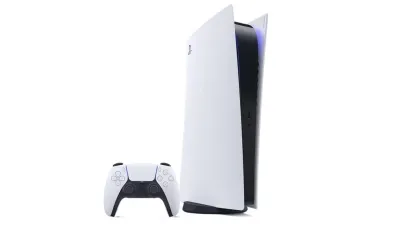
Layden’s post-mortem on the PS Vita is more than just a nostalgic look back; it is a direct warning about the current trajectory of the gaming industry. The Vita failed because Sony prioritized expensive, proprietary tech over a frictionless user experience. Today, as rumors circulate that the upcoming PS6 could cost Sony up to $1000 to manufacture, the company risks repeating the exact same mistake on a much larger scale.
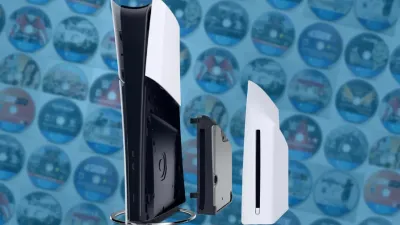
The decision to phase out physical discs by 2028, which Layden accurately describes as a "spreadsheet decision," further isolates the consumer. When hardware manufacturers lock players into a purely digital ecosystem while simultaneously inflating the cost of entry with mandatory features, they shrink their own addressable market. The 76.4 million users who bought a PSP did so because it was accessible; the 10 to 15 million who bought a Vita hit a financial wall.
If Sony continues to chase diminishing returns in graphical fidelity and hardware gimmicks, they will eventually outstrip the value proposition for the average player. Layden, who left Sony in 2019 after 32 years to focus on sustainable double-A-tier games, highlights a critical truth: the industry desperately needs to rediscover the discipline of Nintendo's 5900-yen philosophy, or we will see more platforms thrown into the digital ocean, completely inaccessible to future generations.
This article was written by AI from reporting by eurogamer.net.