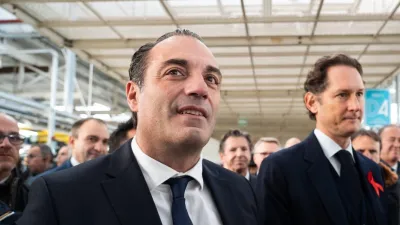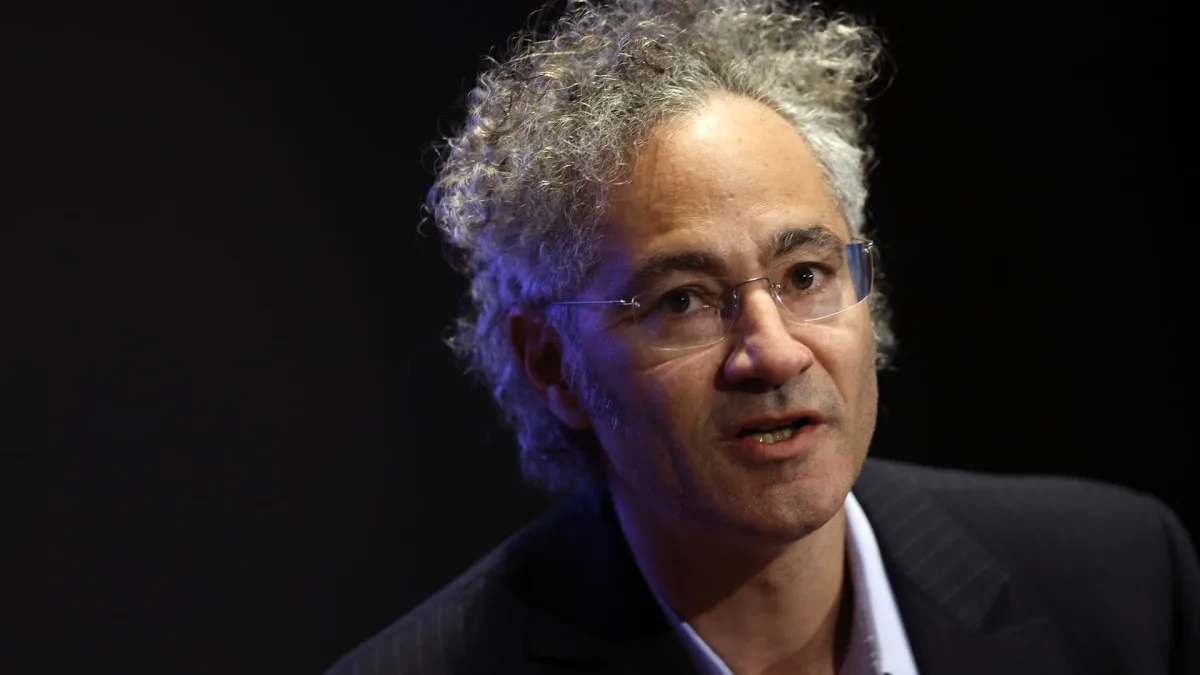
Former Ukrainian Defense Minister Mykhailo Fedorov is officially launching a new defense tech startup, securing Palantir CEO Alex Karp as its first lead investor. The currently unnamed venture aims to commercialize Ukraine's rapid advancements in battlefield technology, transforming real-world combat experience into exportable products for allied nations. While the exact size of the financial backing remains undisclosed, the partnership signals a deepening tie between Silicon Valley capital and active military innovation.
The venture emerges as the ongoing conflict with Russia continues to accelerate the deployment of autonomous systems, artificial intelligence, and battlefield software. Fedorov, who has been a vocal advocate for modernizing military operations through agile technology, intends to package these hard-earned lessons into scalable defense solutions.
You and your colleagues are launching a company that I think will be defining for the world.
- Alex Karp, CEO, Palantir
Commercializing Battlefield Innovation
Details regarding the specific technologies the startup will develop are still under wraps, but the focus is heavily anchored in the digital transformation of modern warfare. Fedorov's press office indicated that the next stages of cooperation with Palantir will be announced gradually. In a recent statement, Fedorov explained that his team "gained unique experience working with defense technologies in Ukraine and seeing firsthand how technology is transforming modern warfare."
The 35-year-old former official was removed from his post as defense minister by President Volodymyr Zelenskyy in July as part of a broader government reshuffle, concluding a brief six-month tenure that sparked local protests. Since his departure, Fedorov has actively courted U.S. technology executives and investors to build a new private-sector defense ecosystem.
Expanding the Defense Tech Ecosystem
Beyond the Karp-backed startup, Fedorov is simultaneously seeking U.S. capital for a separate defense technology investment fund. This distinct fund will specifically target high-growth military sectors, including battlefield robotics, interceptor drones, and AI-enabled missiles. This dual approach - launching a proprietary startup while funding broader ecosystem projects - positions him as a central broker between Ukrainian combat engineering and Western venture capital.
Fedorov has spent the past few years cultivating strategic relationships with prominent U.S. tech leaders. Last month, he publicly praised Elon Musk, calling him "the most important tech person and entrepreneur in the world for our country," specifically highlighting the critical role the Starlink satellite internet service played in maintaining Ukrainian communications while restricting Russian access.
The Silicon Valley Defense Pivot
This investment marks a critical inflection point in how military technology is funded and developed. Historically, allied nations relied on massive, slow-moving prime contractors like Lockheed Martin or Raytheon for defense procurement. Karp's direct investment in a startup founded by a recently ousted foreign defense minister illustrates that Silicon Valley is now actively bypassing traditional defense corridors to fund agile, software-first military tech directly at the source.
By turning Ukraine into a de facto R&D laboratory for global defense tech, investors are betting that the cheap, iterative hardware - like interceptor drones and AI targeting software - will define the next decade of global military spending. If Fedorov's startup successfully exports these battle-tested systems to NATO allies, it could force legacy defense giants to radically accelerate their own software development cycles or risk losing market share to venture-backed disruptors.
This article was written by AI from reporting by cnbc.com.