Montenegro is proving that a country does not need a massive startup ecosystem to revolutionize its financial infrastructure. By strategically aligning with European payment rails, the nation has drastically reduced the financial friction for its citizens, tourists, and businesses. For a country that unilaterally uses the euro and relies heavily on international visitors, modernizing payments is a core economic strategy rather than a mere technological upgrade.
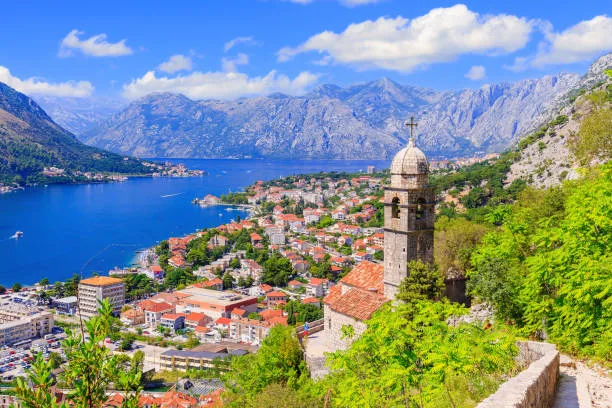
According to the World Bank, Montenegro’s GDP per capita reached approximately $13,263 in 2024. With an economy anchored by tourism, real estate, and trade in coastal hubs like Budva and Kotor, the ability to process cross-border transfers and digital invoices efficiently is critical for seasonal business survival.
The SEPA Impact: Millions Saved in Six Months
The turning point for the Montenegro SEPA integration occurred when the nation officially joined the Single Euro Payments Area on October 6 last year, following an announcement by the European Payments Council. This integration immediately delivered tangible financial relief across the domestic economy.
The Central Bank of Montenegro recently reported the concrete results of its first six months of SEPA operations:
- Over €1.6 billion in transactions were successfully processed.
- Citizens and businesses generated €3.8 million in direct savings.
- Electronic payment costs for citizens plummeted from €53.3 via SWIFT to just €2.07 via SEPA.
- Business payment costs dropped significantly from €48.55 to €6.62.
The Push for Instant Payments
Building on its SEPA success, the Central Bank of Montenegro announced in March 2026 that it had signed a license agreement to develop and manage a domestic instant payment scheme. This foundational upgrade will allow money to move in seconds, improving liquidity for local merchants and creating new rails for future fintech products.
This initiative is backed by the World Bank, which previously announced support for a TIPS clone solution developed by Banca d’Italia with Eurosystem support. This infrastructure ensures compatibility with pan-European fast payment systems, accelerating Montenegro’s financial integration with the European Union.
Tourism and the Banking Backbone
In a market where standalone fintech disruption is limited, traditional financial institutions remain the backbone of digital finance. The Central Bank of Montenegro lists several key players driving this transition, including Crnogorska komercijalna banka, Hipotekarna banka, Erste Bank, NLB Banka, Addiko Bank, Universal Capital Bank, Lovćen banka, and Prva banka.
Much of the country's fintech evolution is occurring directly inside these banks as they upgrade their digital banking services to meet the demands of the tourism value chain. Hotels, marinas, and property managers increasingly require integrated payment solutions, online booking tools, and cross-border settlement capabilities that these institutions are now providing.
The Quiet Power of Financial Integration
Montenegro’s approach to fintech offers a masterclass in pragmatic economic development for smaller nations. Rather than attempting to build an isolated domestic payments platform or chasing venture-backed unicorns, the country is actively plugging itself into established European infrastructure. The staggering drop in transaction fees - from €53.3 to €2.07 - proves that regulatory alignment yields immediate, measurable benefits for everyday consumers.
As Montenegro pushes toward EU accession, its reliance on the euro and its new instant payment frameworks will act as a seamless financial gateway between the Western Balkans and Europe. However, this rapid digitization brings new pressures. The regulatory capacity for cybersecurity, fraud prevention, and anti-money laundering controls must scale at the same aggressive pace as its transaction volumes to ensure this interconnected ecosystem remains secure.