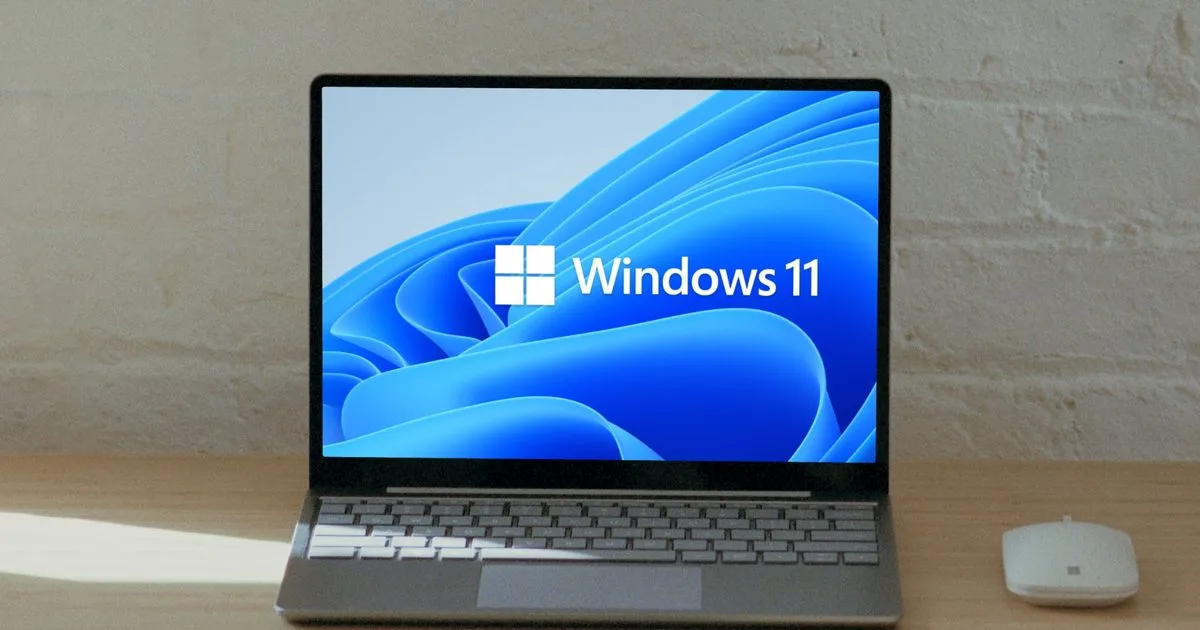
Microsoft is officially overhauling Windows 11 to run smoothly on devices with just 8GB of RAM, addressing a critical performance bottleneck for budget PCs. As artificial intelligence features push hardware requirements to new extremes, the company is pivoting to optimize its core operating system for entry-level laptops. This shift marks a significant course correction after years of unoptimized UI elements and heavy background processes that frequently brought base-model Windows systems to a crawl.
Pavan Davuluri, Executive Vice President of the Windows and Devices portfolio at Microsoft, confirmed the strategic shift, noting that the company's next major target is strict memory optimization for 8GB devices.
Reducing Windows memory footprint to deliver a fast and responsive Windows experience across the PCs customers use every day.
- Pavan Davuluri, EVP of Windows and Devices, Microsoft
The push for Windows 11 8GB RAM optimization comes at a critical time for the PC supply chain. Memory costs have more than quadrupled over the past year, driven entirely by the AI hardware boom. Samsung recently warned that this pricing pressure will not ease until at least 2028. Consequently, Gartner analyst Ranjit Atwal predicts that the sub-$500 entry-level PC segment could disappear entirely by 2028, with PC memory costs expected to peak at 23% of the total bill-of-materials, up from 16% in 2025.
Microsoft's aggressive push for Copilot+ PCs initially established a strict baseline of 16GB of RAM and a Neural Processing Unit (NPU) capable of 40 TOPS. However, the high cost of these machines forced Microsoft to release watered-down Surface laptops with just 8GB of RAM, stripping them of the Copilot+ branding because serving on-device AI features on that memory footprint is currently unfeasible. To make these budget machines viable, Microsoft is now aggressively trimming bloatware.
Recent and Upcoming Windows Enhancements
Microsoft's broader initiative to refine the OS experience includes several targeted fixes designed to make the system feel lighter and more responsive:
- Memory Footprint Reduction: Trimming redundant background processes to free up RAM for active applications.
- Setup and Controls: Smoothing out the out-of-the-box setup experience and fixing underlying bugs in parental controls.
- UI Responsiveness: Addressing legacy papercuts, including fixing right-click menu delays and accelerating the Windows Search system.
The Survival of the Budget PC
Microsoft's renewed focus on 8GB machines is less about generosity and more about market survival. With memory prices skyrocketing and Gartner predicting the death of the sub-$500 laptop by 2028, Windows risks pricing itself out of the education and entry-level enterprise markets. If Windows 11 cannot run efficiently on 8GB of RAM, buyers will inevitably flock to cheaper Chromebooks or base-model MacBooks, which historically manage memory swapping far better than Windows.
This optimization effort, alongside Intel's upcoming Project Dragonwing, signals a necessary split in the PC ecosystem. We are entering an era where the market is strictly divided between premium AI-first machines and highly optimized, cloud-dependent budget laptops. For everyday users who just need a reliable web browser and document editor, Microsoft's decision to finally trim the bloatware is the most important update of the year.