Twelve years after its August 2014 release on Steam, Five Nights at Freddy's stands as the catalyst that permanently altered the trajectory of survival horror. Creator Scott Cawthon's indie project proved that a confined environment and limited mechanics could generate more tension than sprawling AAA titles like Resident Evil or Silent Hill.
While modern hits like Lethal Company and Phasmophobia continue to show that smaller games can carve out massive audiences, few properties have matched the cultural shockwave generated by Cawthon's animatronics.
The Mechanics of Helplessness
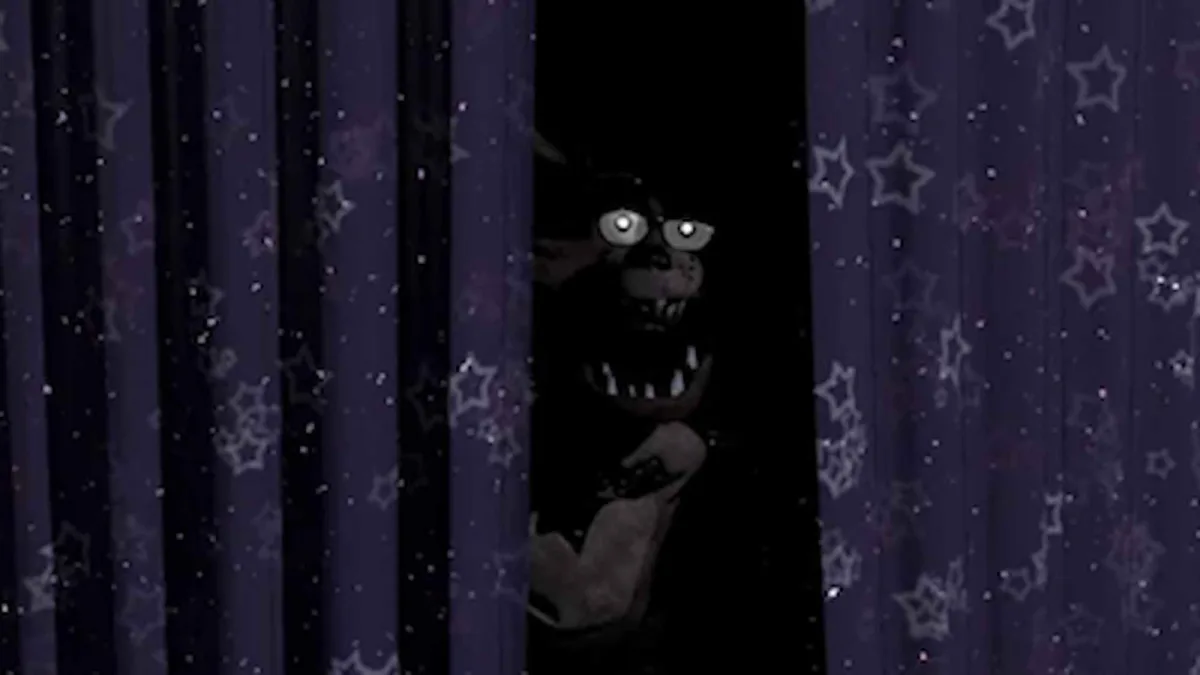
The original game stripped away traditional combat and exploration, placing players in the role of a night security guard at Freddy Fazbear's Pizza. Survival relied entirely on monitoring security cameras and managing a rapidly depleting power supply to operate doors and lights. This design created intense claustrophobia, where the fear stemmed from anticipation rather than direct confrontation.
Because players could not fight back, every camera check and power drain amplified the dread. This accessible yet punishing gameplay loop made the title perfectly suited for the emerging streaming culture, where sudden animatronic attacks generated highly entertaining reactions for viewers.
Building a Multimedia Empire
What began as an inexpensive indie horror game quickly evolved into a massive franchise. Cawthon capitalized on the viral success by rapidly releasing sequels that expanded the lore and introduced new animatronics. The property eventually transcended gaming entirely, securing a major film adaptation starring Josh Hutcherson and Matthew Lillard, which has already spawned a sequel and a planned third installment.
The franchise's expansion includes a wide variety of media and spin-offs:
- Core Spin-offs: Five Nights at Freddy's: Sister Location, Freddy Fazbear's Pizzeria Simulator, Ultimate Custom Night, Five Nights at Freddy's: Help Wanted, and Five Nights at Freddy's: Security Breach.
- Expanded Media: Novels, short stories, interactive books, nonfiction titles, art books, and official cookbooks.
- Hollywood Adaptations: A highly successful Universal Pictures film franchise with multiple sequels in development.
The Rise of Mascot Horror
The most significant legacy of Five Nights at Freddy's is the establishment of "mascot horror" as a dominant subgenre. By proving that a memorable monster in a confined space could build a diehard community, the game created a blueprint for future indie successes. Titles like Poppy Playtime and Iron Lung directly benefited from the market appetite that Cawthon's animatronics created.
The Lore-Baiting Blueprint That Changed Game Design
The true genius of Five Nights at Freddy's wasn't just its jumpscares; it was the deliberate weaponization of ambiguity. By hiding cryptic lore in background static, minigames, and source code, Cawthon essentially crowdsourced the game's narrative to YouTube theorists and Reddit communities. This strategy transformed passive players into active investigators, ensuring the game remained relevant long after the initial shock value wore off.
Today, this approach is the gold standard for indie horror. Developers now understand that building a sustainable franchise requires more than just a scary mascot; it requires a fragmented mystery that the community must piece together. As the industry shifts toward massive budgets and decade-long development cycles, the FNAF model proves that community-driven storytelling remains the most cost-effective marketing tool in gaming.