

Table of Contents
Apple Enters the Foldable Arena
Apple is gearing up for a major hardware pivot with its first foldable iPhone, slated for release as early as 2026. This move marks a strategic response to the growing dominance of foldable smartphones from competitors like Samsung and Huawei, positioning Apple to reclaim leadership in the premium segment.
Rumors have circulated for years about Apple's interest in foldables, but recent reports confirm active prototyping. Engineers have overcome key hurdles, including crease minimization and durable hinge mechanisms, to deliver a device that unfolds to a larger screen without compromising the iconic iPhone build quality.
Technical Innovations Under the Hood
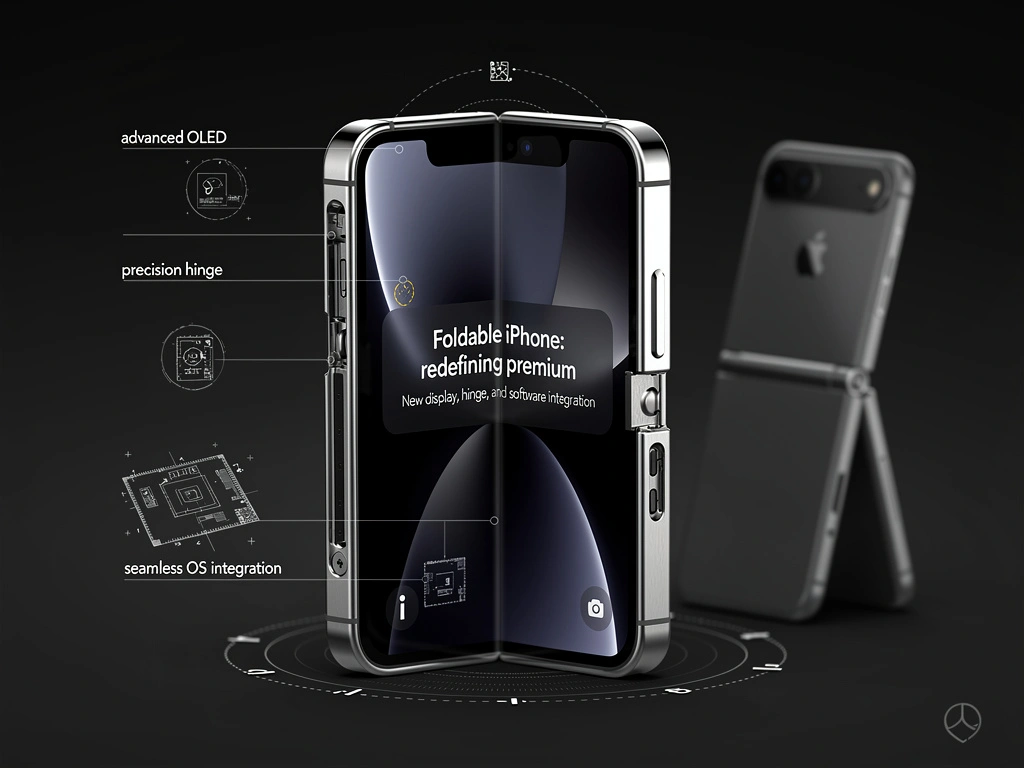
The foldable iPhone prototypes feature an 8-inch inner display when unfolded, paired with a 6.3-inch outer screen for everyday use. Apple prioritizes a nearly invisible crease, achieved through advanced under-display tech and waterdrop-style hinges that reduce stress on the flexible OLED panel.
- Display Tech: Custom LTPO OLED panels from Samsung Display and LG Display, supporting 120Hz ProMotion refresh rates across both screens.
- Hinge Design: Multi-alloy construction for 200,000+ fold cycles, matching or exceeding rival durability.
- Form Factor: Clamshell design, slimmer than Galaxy Z Flip when folded, with IPX8 water resistance.
Integration with iOS will introduce fold-specific UI adaptations, such as split-screen multitasking and Flex Mode for hands-free video calls, leveraging Apple's silicon expertise for seamless performance.
Strategic Timing and Market Positioning
Launching in late 2026 aligns with Apple's product cadence post-iPhone 18 series. This timing allows refinement of supply chain partnerships, particularly with Asian manufacturers ramping up foldable component production. Priced above $1,500, the device targets ultra-premium buyers seeking larger canvases for productivity and media consumption.
Apple's gambit addresses foldable market pain points: reliability and longevity. While Samsung holds 60% global share, its devices face criticism for creases and battery life. Apple's focus on premium materials and software polish could sway iPhone loyalists hesitant about third-party foldables.
Challenges and Supply Chain Realities
Developing foldables isn't straightforward for Apple. Early prototypes struggled with display yield rates below 30%, but recent improvements hit 80% through stricter supplier specs. Key partners include Foxconn for assembly and Korean firms for panels, with initial production capped at 5-7 million units.
Regulatory hurdles in China and yield issues remain risks, but Apple's $390 billion cash reserves provide buffer for R&D investments exceeding $2 billion annually in display tech.
Impact on the Premium Smartphone Landscape
A foldable iPhone could accelerate industry shift toward multifunctional devices. Expect ripple effects: boosted carrier subsidies, developer focus on fold-optimized apps, and pressure on Android makers to innovate. For Apple, success hinges on delivering a 'no-compromise' experiencethinner profiles, longer battery life via stacked batteries, and A-series chips tuned for dual-screen workloads.
Analysts project foldables reaching 20% of premium sales by 2028. Apple's entry validates the category, potentially expanding its ecosystem with accessories like foldable cases and stands. If executed flawlessly, this iPhone variant won't just competeit will set the new standard for what premium smartphones can achieve.