
Table of Contents
Apple Unveils AirTag 2 with Advanced Ultra Wideband Technology
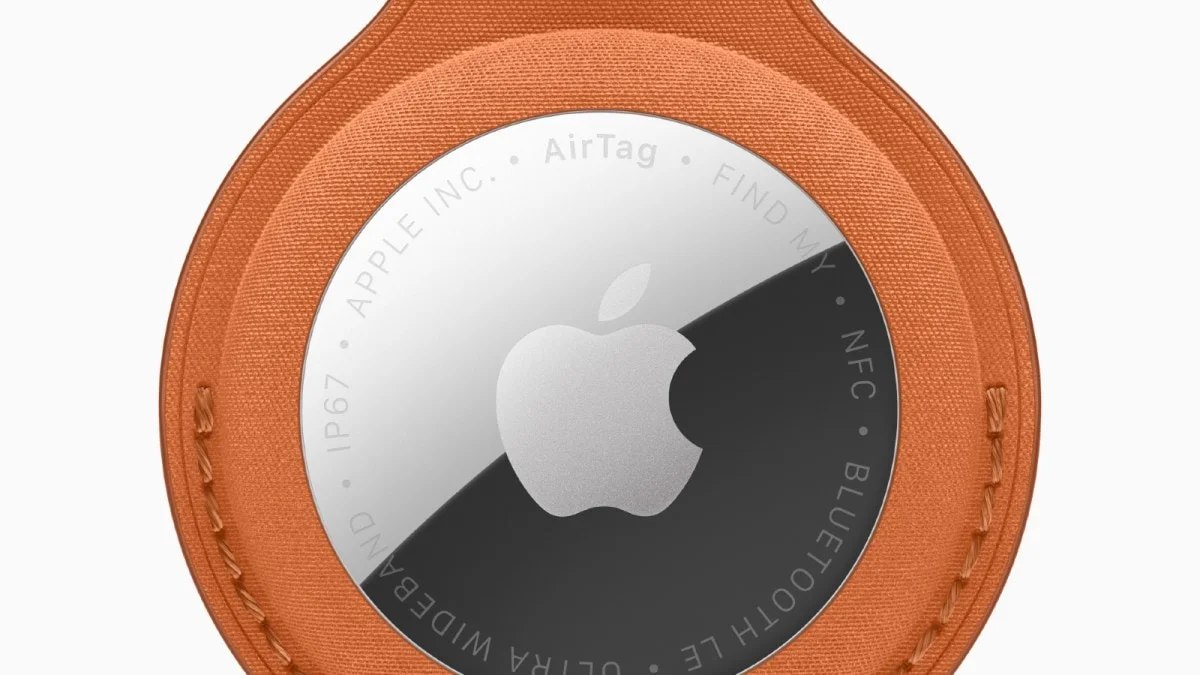
Apple has officially launched the AirTag 2, the long-awaited successor to its original tracking device, introducing a second-generation Ultra Wideband chip that significantly enhances the Precision Finding feature. The announcement marks Apple's first major hardware release of 2026, arriving on January 26 and immediately supported by iOS 26.2.1, released the same day.
Key Technical Improvements
The AirTag 2 represents a meaningful upgrade from its predecessor, centered on the new Ultra Wideband chip that delivers improved range and accuracy for locating lost items. The Precision Finding feature, which uses directional guidance to help users locate their AirTag-equipped belongings, now operates with enhanced precision thanks to the upgraded chipset. This improvement addresses one of the primary limitations users experienced with the original AirTag, which relied on Bluetooth connectivity for basic location services.
Beyond the Ultra Wideband enhancement, Apple has incorporated unspecified security upgrades into the AirTag 2. These security improvements align with Apple's ongoing efforts to address privacy concerns surrounding tracking devices, ensuring that the new model maintains user privacy while delivering more reliable location services. The company has not disclosed detailed specifications regarding these security enhancements, but the inclusion suggests Apple has refined its approach to preventing unauthorized tracking.
Immediate Software Support and Rollout
Apple demonstrated its commitment to seamless integration by releasing iOS 26.2.1 on the same day as the AirTag 2 announcement. This minor operating system update specifically adds native support for the new tracking device, enabling all compatible iPhones to immediately leverage the AirTag 2's enhanced capabilities. The update also includes support for watchOS 26.3, allowing Apple Watch users to access Precision Finding directly from their wristsa feature that extends the utility of the new AirTag across Apple's broader ecosystem.
The rapid software rollout reflects Apple's typical strategy of coordinating hardware and software releases to maximize user experience. iOS 26.2.1 also includes unspecified bug fixes, addressing stability and performance issues identified in earlier iOS 26 releases. Users can download the update through the standard Settings > General > Software Update pathway on their iPhones and iPads.
Strategic Timing Within Apple's 2026 Product Roadmap
The AirTag 2 launch arrives as Apple prepares for an exceptionally busy product year. Industry analysts expect Apple to release more than 20 new products throughout 2026, with the AirTag 2 serving as the opening salvo. The device's January release positions it ahead of anticipated spring launches including the iPhone 17e, updated iPad models, and new MacBook variants powered by M5 chips.
This timing also precedes the expected late-2026 introduction of significantly redesigned MacBook Pro models featuring OLED displays and Dynamic Island integration. By launching the AirTag 2 early in the year, Apple establishes momentum for its product cycle while giving developers and users time to adapt to the new Ultra Wideband capabilities before more substantial releases arrive.
Market Context and Competitive Positioning
The AirTag 2 enters a competitive landscape where tracking devices have become increasingly important for consumers managing multiple connected devices. Apple's ecosystem advantagetight integration with iPhones, iPads, Macs, and Apple Watchespositions the AirTag 2 as a compelling option for users already invested in Apple's platform. The improved Ultra Wideband technology directly addresses technical limitations that competitors have exploited, narrowing the gap between Apple's offering and alternatives from other manufacturers.
The device's launch also signals Apple's continued investment in location services and the broader Internet of Things category, areas where the company has historically maintained strong margins and user loyalty. As more Apple users adopt wearables and smart home devices, the AirTag 2's enhanced tracking capabilities become increasingly valuable for managing an expanding ecosystem of connected products.
Looking Ahead
The AirTag 2's introduction establishes the tone for Apple's 2026 product strategy: incremental but meaningful hardware improvements paired with seamless software integration. As iOS 26.3 and subsequent updates roll out throughout the year, developers will gain access to enhanced APIs for leveraging the AirTag 2's Ultra Wideband capabilities, potentially enabling new use cases beyond simple item tracking. This approachhardware innovation coupled with software ecosystem developmentremains central to Apple's competitive advantage in the consumer technology market.