
Table of Contents
Dogs Can Now Control Your Smart Home Lights: The Future of Pet-Friendly IoT Technology
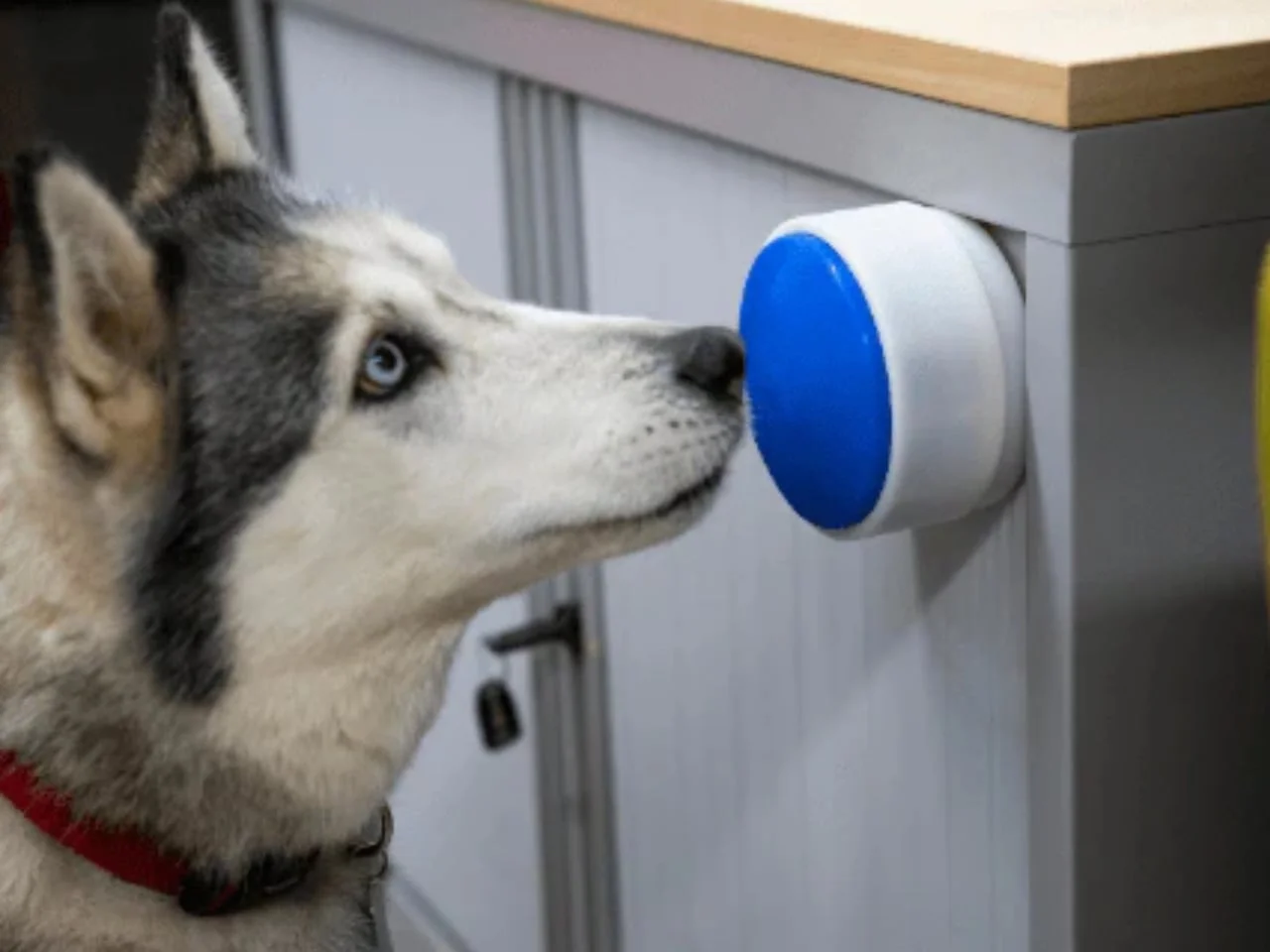
The smart home ecosystem has reached an unexpected frontier: enabling pets to interact with connected devices. In a remarkable development that blurs the line between science fiction and reality, dogs can now turn on household lights through specially designed smart home technology. This innovation represents a fascinating convergence of artificial intelligence, IoT (Internet of Things) devices, and pet behavior recognition.
The Evolution of Smart Home Technology
Smart home devices have undergone tremendous transformation over the past decade. What began with simple programmable thermostats has evolved into comprehensive ecosystems where refrigerators monitor food inventory, security systems learn household patterns, and lighting systems adapt to user preferences. The introduction of voice-activated assistants and motion sensors further expanded the possibilities of home automation. Now, developers are pushing boundaries by creating interfaces that don't require human interaction at allinstead leveraging animal behavior and movement patterns.
How Dogs Interact with Smart Lighting Systems
The technology enabling dogs to control lights typically relies on motion detection, pressure sensors, or specialized wearable devices that communicate with smart home hubs. These systems recognize specific dog behaviorssuch as jumping, pawing at designated surfaces, or wearing connected collarsand translate these actions into commands that trigger smart lighting. The underlying software uses machine learning algorithms to distinguish between normal pet movement and intentional commands, preventing accidental activation.
This approach represents a significant shift in how we design human-computer interfaces. Rather than forcing pets to adapt to human technology, developers are creating technology that understands and responds to natural animal behavior. The system essentially learns individual pet patterns and responds accordingly, making the interaction intuitive for both the animal and household members.
Implications for the Smart Home Industry
This development signals a broader trend in IoT innovation: expanding smart home capabilities beyond human users. The pet-controlled smart home market opens new possibilities for device manufacturers and software developers. Companies are now considering how their products can serve multi-species households, where both humans and animals interact with connected systems.
The technology also raises interesting questions about accessibility and inclusive design. If smart home systems can be adapted for pets, similar principles could enhance usability for elderly individuals, people with mobility limitations, or those with various disabilities. The underlying technologygesture recognition, behavioral analysis, and adaptive interfaceshas applications far beyond pet owners.
Technical Challenges and Solutions
Implementing pet-controlled smart home systems requires overcoming several technical hurdles. Developers must create algorithms sophisticated enough to distinguish intentional commands from random pet movements. False activation prevention is critical, as accidental light triggers could become frustrating rather than convenient. Additionally, the systems must be reliable and responsive, as delayed reactions could confuse pets and undermine the technology's effectiveness.
Security considerations also emerge when expanding smart home control to non-human users. Ensuring that only authorized pets can trigger specific commands requires robust authentication mechanisms. Some systems use wearable devices with unique identifiers, while others rely on behavioral biometricsessentially recognizing individual pets by their movement patterns.
The Broader Smart Home Ecosystem
This innovation doesn't exist in isolation. It reflects the maturation of the broader smart home market, where devices increasingly communicate seamlessly and systems become more intuitive. As artificial intelligence and machine learning technologies advance, smart homes are becoming genuinely intelligentcapable of understanding context, predicting user needs, and adapting to household dynamics.
The introduction of pet-controlled features also demonstrates how consumer technology is becoming more inclusive and creative. Manufacturers are moving beyond basic functionality to consider how their products can enhance quality of life for all household members, including four-legged ones.
Looking Forward
As this technology matures, we can expect to see expanded applications. Future smart home systems might allow pets to trigger door locks, adjust temperature settings, or even call for help in emergencies. The convergence of pet technology, IoT devices, and artificial intelligence is creating possibilities that seemed purely imaginative just years ago. For pet owners, this represents a new frontier in home automationone where their companions become active participants in the connected home ecosystem rather than passive inhabitants.