
Table of Contents
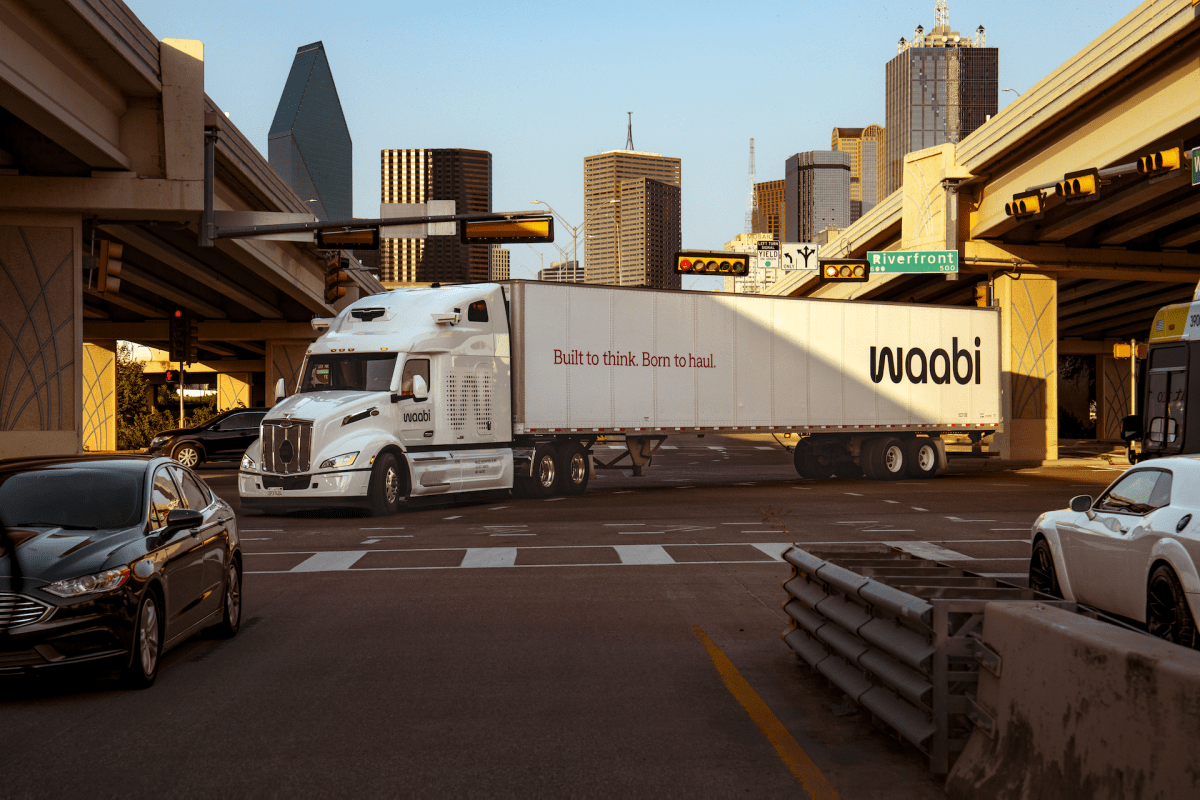
SAN FRANCISCO Autonomous vehicle startup Waabi has raised $1 billion and struck a partnership with Uber to deploy self-driving cars on the ride-hailing platform, marking a significant expansion from its core trucking business into the high-stakes robotaxi market. The funding round and Uber partnership represent a major validation of Waabi's autonomous driving technology and signal accelerating commercialization of self-driving vehicles in 2026.
The announcement comes as Waabi transitions from four and a half years of development focused on highway and surface street capabilities for autonomous trucks. The company's founder and CEO Raquel Urtasun emphasized that the Waabi Driverthe company's autonomous systemcan reason about its surroundings as a human would and choose the best maneuver, allowing the system to generalize and learn from fewer examples than traditional autonomous driving systems.
Technology and Training Approach
Waabi's competitive advantage lies in its proprietary closed-loop simulator called Waabi World, which automatically builds digital twins of the world from data, performs real-time sensor simulation, manufactures scenarios to stress-test the Waabi Driver, and teaches the system to learn from its mistakes without human intervention. This approach reduces reliance on massive real-world datasets compared to competitors.
The Waabi Driver has already demonstrated generalization across different vehicle form factors. The company collected and simulated passenger car data alongside its trucking work from the beginninga strategic signal that robotaxis were always part of the long-term plan. Urtasun has hinted that the company's next vertical could be robotics, suggesting broader ambitions beyond autonomous vehicles.
Market Context and Competitive Landscape
Waabi's $1 billion raise and Uber partnership position the startup as a serious contender in the autonomous vehicle space, which has seen intense competition and significant capital deployment. The partnership with Uber provides immediate access to a massive ride-hailing network and real-world deployment opportunities, a critical advantage in proving autonomous vehicle technology at scale.
The timing is significant as the autonomous vehicle industry moves toward commercialization. Unlike some competitors that rely heavily on extensive real-world data collection, Waabi's simulator-first approach offers potential cost and efficiency advantages. The company's ability to generalize from fewer examples could accelerate deployment timelines and reduce operational costs compared to traditional approaches.
This development reflects broader momentum in AI-driven autonomous systems, occurring alongside other major AI industry developments including enterprise AI expansion, new chip architectures for AI inference, and advances in AI coordination models.